
Horses do not need them. They can do perfectly well without them, just like any other equids.
It is just that horseshoes improve the well-being of the horses by reducing their hoof erosion. Since the early history of domestication of the horse, working animals were found to be exposed to many conditions that created breakage or excessive hoof wear. Ancient people recognized the need for the walls (and sometimes the sole) of domestic horses’ hooves to have additional protection over and above any natural hardness. From archaeological finds in Great Britain, the Romans appeared to have attempted to protect their horses’ feet with a strap-on, solid-bottomed “hipposandal” that has a slight resemblance to the modern hoof boot.
In the past iron was expensive, and the modern horseshoe was invented in the Carolingian era. This is reflected by the fact all Romance languages have different words for a horseshoe and not one common stemming from Latin.
Horses are prey animals, and the lifespans of the equids tend to be short in the wild. Their hoowes really do not make it to get worn before they are eaten. Domesticated animals live longer and are subject to way harder work and surfaces where they move, so horseshoes improve the well-being of the horses. They also improve the grip of the hoof on nasty surfaces.
It is likely modern riding horses really would not need horseshoes. They are no more workhorses, but rather sport animals, and they are not ridden or worked on hard surfaces, such as cobblestone or asphalt, needing shoes. They rather are ridden on surfaces which resemble their natural habitat, thus causing not that much hoof wear than what work horses and riding horses in the past were subject.
Because: Artificial Selection.
Nature creates animals that are very well suited for their environments. Zebras and other wild equids like wild asses and Przewalski’s Horses don’t need shoes because their feet are their very survival and natural selection eliminated all those equids without strong, healthy feet.
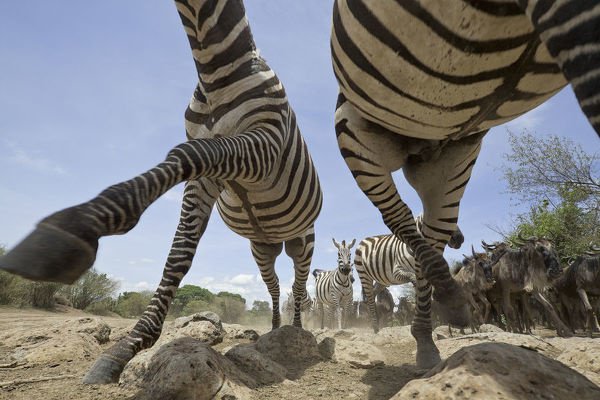
Humans have bred domestic horses to be and do something specific, for humans. The artificial selection process we create when breeding domestic horses does not always consider feet as important as other human-desired traits.
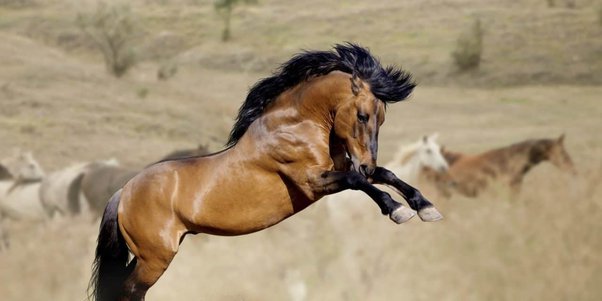
Horse/Equid hooves are a combination of tough outer material and somewhat softer inner material which protects the bones and sensitive structures of the foot. They are beautifully designed to wear at a rate relative to the average hardness of the ground upon which they evolved, and yet stay flexible enough to allow for good blood circulation to the continually growing structures of the hoof material, and shock absorption for the inner conformational structures of the skeleton and joints.
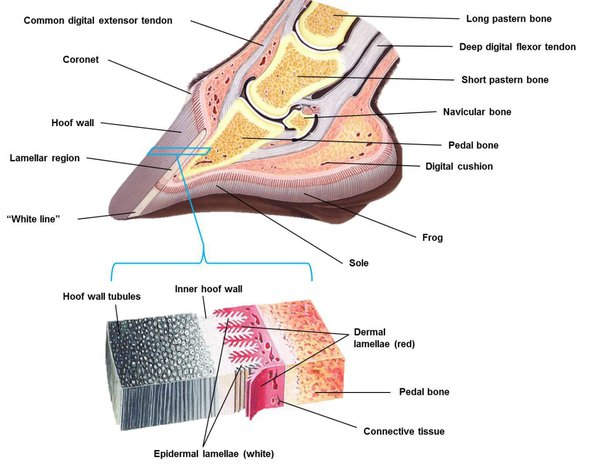
Nature found a brilliant and complex way to structure an equid’s foot to wear, and at the same time grow, at the most efficient rate to repair the inevitable damages of life in the wild, all while keeping the animal fast, sound, and on its feet in an optimal way. It’s really an intricately balanced and beautiful structure.
Humans changed all that. We bred horses for size, strength, beauty, novelty, or certain special tasks for which we decided we wanted to use them. This accelerated form of breeding (artificial selection, as opposed to the natural selection process undergone in the slow evolutionary process) caused certain things to be left behind or to be bred at less-than-optimal levels in favor of other traits we deemed more important to us.
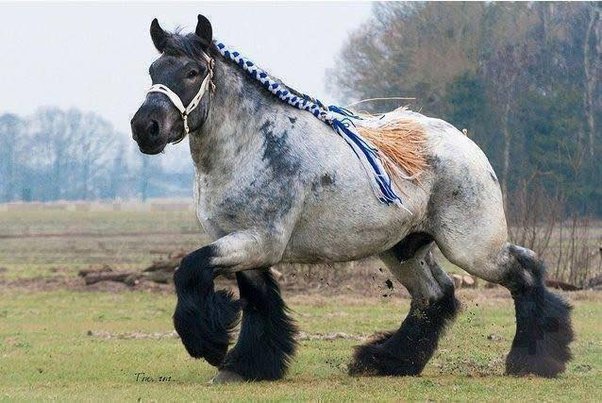
Today, most domestic horses require shoes in order to stay sound, even if they don’t regularly walk on concrete or roads. (I’m saying most, not all.) But I trained Paint horses, American Quarter Horses, Thoroughbreds and Arabians for a long time. Very few of them could go without shoes because their hooves or other aspects of conformation were not perfectly balanced, which caused foot/hoof problems such as quarter cracks, low heels, winging, etc.
These problems are startlingly common in “well-bred” horses and require shoes and consistent, regular re-balancing by the farrier in order to stave off lameness, injuries, and/or complete loss of function. Many domestic-bred horses also have, or are prone, to certain common hoof ailments such as white-line disease, laminitis, easily bruised feet due to weak structure, etc.
Wild horses and their cousins like Przewalski’s horse, zebras, and wild asses, do not need shoes even though they often live in harsh, punishing, rocky environments, because they were formed by natural evolution, and for wild animals, feet are very important. Natural selection made sure feet were a very high priority.
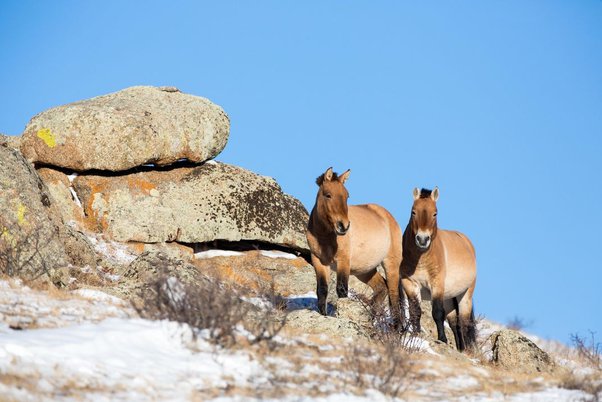
Notably, natural selection is so good at making function a priority, that the variation in appearance (which humans value) is of very low priority. That’s why most wild animals of a specific species, including horses, usually all look very similar to each other.
Humans made other things a priority in their breeding programs, and healthy feet are usually not among the most important factors in human-led breeding programs, with some relative exceptions. One breed of horse, the Akhal Teke, has been bred to have a reflective, metallic-like coat. Very beautiful, but when you intensely select for one physical trait, you’ll inevitably have to neglect other things.
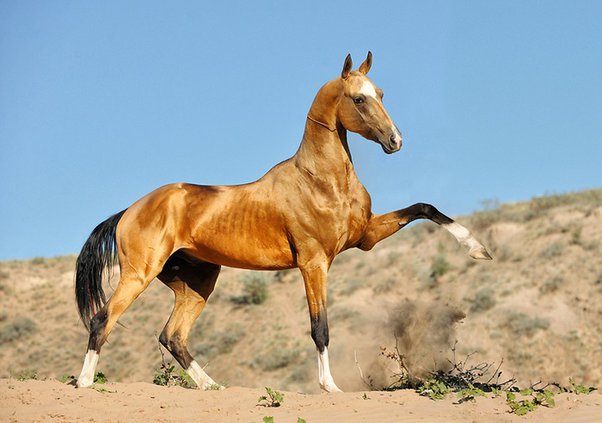
This often creates high occurrences of genetic defects and structural problems in the breed, such as “Naked Foal Syndrome” as in the Akhal Teke, “Lethal White Syndrome” in Paint Horses, CID in Arabians, HYPP in halter-bred Quarter Horses, PSSM in many Draft breeds, HERDA – a newer disease cropping up in competition Quarter Horses, and numerous other damaging and fatal problems associated with breeding for looks rather than a healthy animal.
I owned a Mustang for many years. Mustangs are America’s “wild” horses descended and breeding freely in the wild over many generations, from the rough stock that got loose from the Spanish Conquistadors many hundreds of years ago, and known to be much ‘closer’ to their wild relatives than any domestic horse breeds.
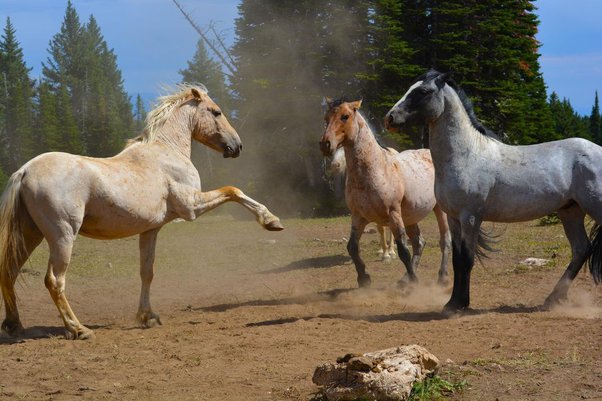
I never put shoes on her and she had what we call “great feet” (very healthy, balanced and strong), and was never lame or ever had any hoof problems. I rode and used her extensively on many types of terrain, including concrete and roads, for many years.
Incidentally, she was also one of the most difficult to break to ride, she was one of the smartest, and she was the most sure footed horse I’ve ever ridden to this day, and I’ve ridden many thousands of horses in my life.
As others have noted, now that some of our horses must be used more on concrete and roads, this change in requirements of the hoof has come too fast for evolution to create a hoof strong and functional enough to take the rough grinding of these human-made surfaces. So domestic horses used a lot on these surfaces often require shoes, but not always, as much depends on the individual, the breed, and the people maintaining the feet and hooves.
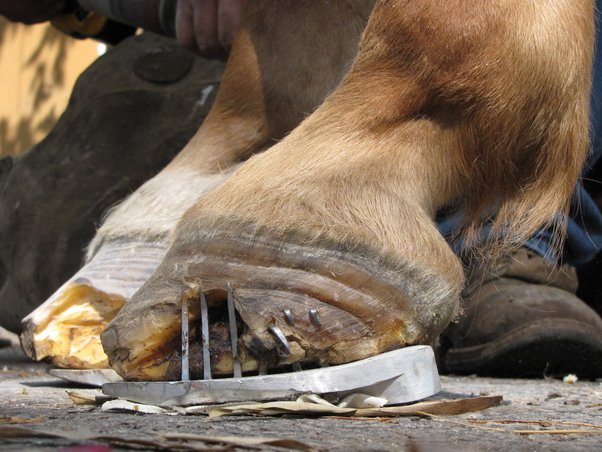
But this is not the only, or most influential reason our domestic horses usually require the help of horseshoes. Humans have artificially selected horses for looks and “use” over the health and safety of the animal. This “breeding out” of the stronger hooves of wild horses has created a domestic horse hoof that cannot maintain its strength and integrity while trying to keep up with the rapid changes of this artificial selection process.