
CHAGA TEA
Very few westerners had even heard of this strange-sounding Chaga tea until Aleksandr Solzhenitsin introduced it in his 1968 novel, The Cancer Ward. In the book he described how he successfully treated his stage 4th stomach cancer (liposarcoma) with Chaga. After recovery, he lived happily for another 55 years, having written many books and received the Nobel Prize.
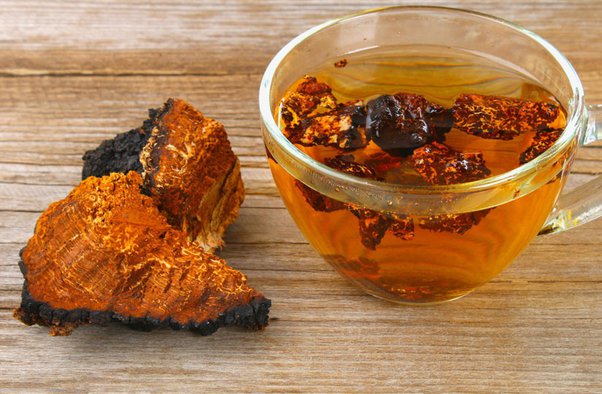
Consumed by Russians for hundreds of years, the health benefits of Chaga tea have been known for a long time. Dating back to the 16th century ancient Russian texts describe the use of Chaga to treat gastritis, ulcers, cancer and tuberculosis. Chaga (Inonotus obliquus) is a black, lumpy and charred-like parasitic fungus, growing on the trunk of the birch tree in forests of Northern Europe, Asia and North America.
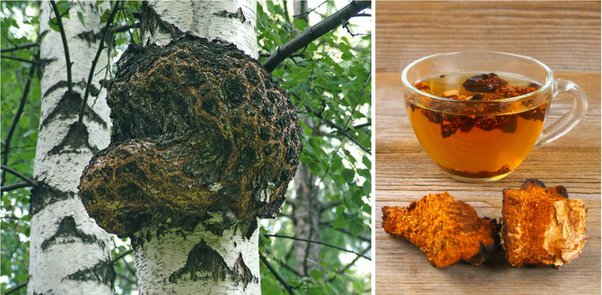
Sergey Maslennikov was a Russian doctor, born in June 1887. During this particular period in history medical literature was increasingly writing about cancer, but Maslennikov noted that he didn’t have any cancer patients among the peasants of surrounding villages because they were so poor that instead of buying tea, they were brewing up Chaga tea. This way they had been preventing and treating cancer for centuries. Doctor began to treat his patients with Chaga. His notebooks record the results of his treatment of cancer with Chaga; many of his patients made a full recovery.
BEET BEER
Beet beer is a beet fermented drink. To prepare it, the root is finely cut, poured with cold water. Top covered with cloth. The workpiece is lowered to the cellar to “vibratile”. It can be prepared with yeast or without yeast. It can be prepared with sugar or without.
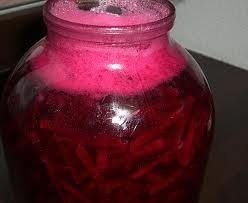
Beet beer is a nutritious fermented drink that can help with digestive problems as it is rich in probiotics, vitamin B12, manganese, selenium, iron, magnesium, copper and phosphorus. Beet kvass is a blood and liver tonic because beets contain phytonutrients and nutrients that help maintain liver health. (Свекольный квас)
BIRCH JUICE
National Russian cuisine is full of fermented beverages and fermented food. The favorite Russian beverage is Birch juice and various recipes based on it such as a Birch kvass, Birch beer, Birch syrup, Birch lollipops.
- Berezovitsa is the oldest fermented drink known since the time of the Scythians. Birch juice was poured into wooden barrels and left to ferment naturally. After 2-3 days, a sweetish low-alcohol drink was obtained, which retains the beneficial properties of the juice.
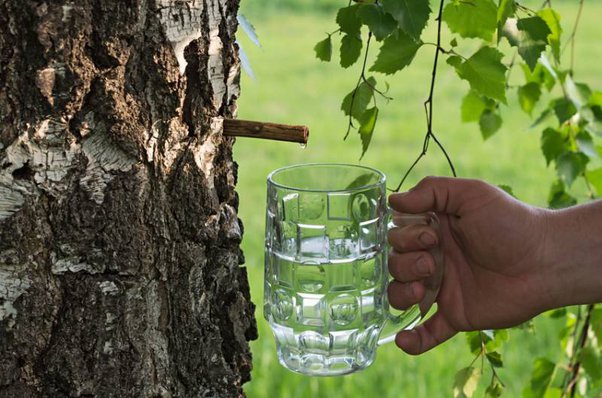
- Birch Kvass has been known in Russia since the 10th century. To prepare it, you need to add rye crackers or raisins to birch juice (if desired, a little sugar) . Vigorous birch kvass will be ready in a couple of days. Soup Okroshka on this kind of kvass is delicious!
- Birch syrup can be prepared by simmering birch juice for a long time over low heat until the liquid evaporates by about 2/3. The syrup will contain fewer useful properties, but it can be stored for a long time.
- Birch Lollipops can be made with syrup. Birch sugar – levulose – does not harm children’s teeth. To do this, a small amount of syrup must be continued to evaporate until it acquires a golden color and thickens.
- Birch ice. Birch sap begins to ferment very quickly, but it can be saved by freezing it directly in plastic containers. In frozen form, it almost does not lose its healing properties and in the summer heat it perfectly quenches thirst.
BIRCH PORRIDGE
Thin bark from logs is used for food. Yes, the porridge is really made from birch. The bark was cut off, chopped finely, filled with water and soaked. Many unexpected products and combinations are used in Russia that Westerns would probably not try.
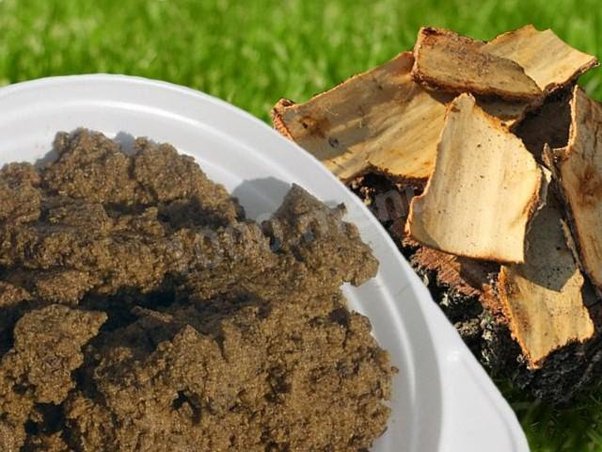
Birch porridge vaguely resembled cream of wheat, prepared only from the phloem of the birch that can be found between the bark and wood layers. Phloem properly soaked and cooked for a very long time. Then they started cooking the porridge.
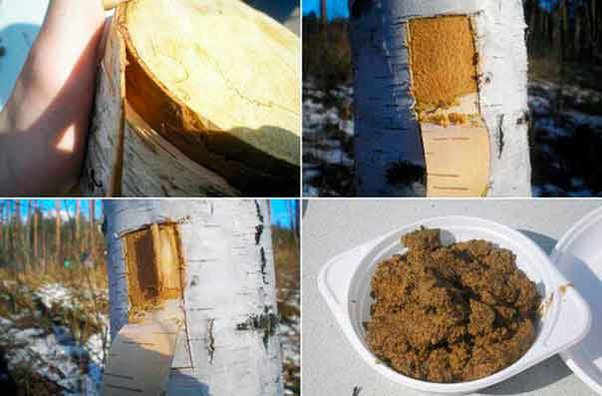
Heat treatment of the bark is continued until it acquires a uniform consistency. Outwardly, the birch dish resembled semolina porridge. Salt is added before serving. Cheap and cheerful. (Березовая каша рецепт с фото)
HEMP PORRIDGE
Hemp oil and hemp porridge are the national food of the Northern people.
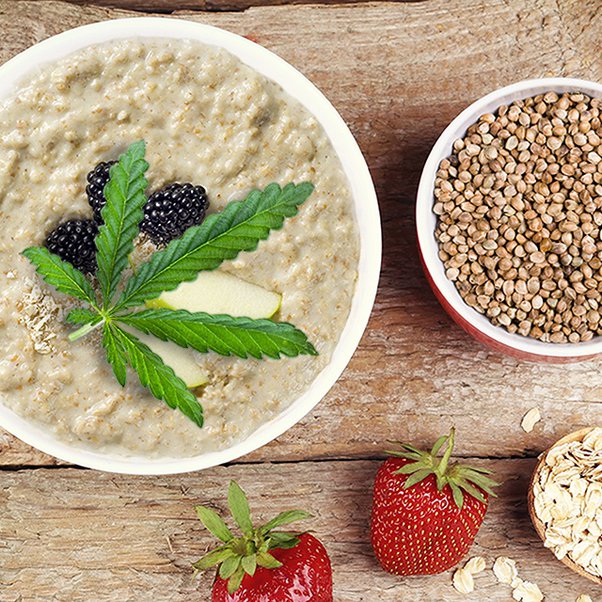
Hemp is a national Russian plant that has been used ever since in manufacturing and as a food. Hemp seeds are particularly rich in these healthy fats, including omega-3 and omega-6 fatty acids. Both of these fats are known for improving heart health by reducing cholesterol, blood pressure, and triglycerides. Adding hemp oil to your diet may reduce your risk of heart problems in the future.
BOTVINIA ICE SOUP AND BOTVINIA PORRIDGE
They boiled Botvinia in sour kvass, to which crushed spinach, beet tops, nettles, green onions and sorrel were added. Kvass porridge was mixed with fish and cooled with pieces of ice.
The soup is made with young beet leaves, beetroots , sorrel , green onions , dill , nettle (or any other herb considered edible), cucumbers, two types of kvass, a little mustard, lemon juice, horseradish and spices . Salmon, boiled sturgeon or shellfish are served on the side as well as crushed ice to cool the soup.
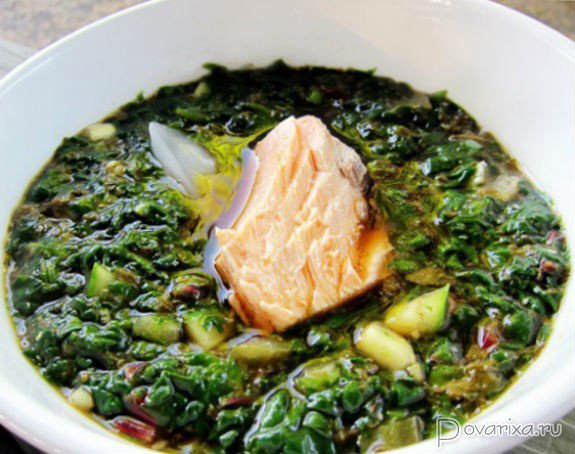
Botvinia porridge is another traditional Russian dish with a mushy consistency. In the medieval ages, Botvinia was a porridge and was served to the table in three pots. The first one was filled with the same herbal porridge. The second was filled with salted sturgeon fish. The third was filled to the top with ice.
KVASS
Kvass is a traditional fermented Slavic and Baltic beverage commonly made from rye bread, which is known as “black bread”. The colour of the bread used contributes to the colour of the resulting drink. Kvass’s alcohol content from fermentation is typically low (0.5–2.0%). The taste of kvass, in contrast to beer, is much more delicate and has no bitterness at all. Because of its low alcohol content, it’s suitable for kiddies to drink.
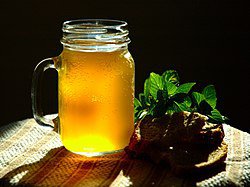
The word “kvass” was first mentioned in the Primary Chronicle, in the description of events of the year 996, following the Christianization of Rus’. The first mention of kvass in an English text took place around 1553.
Russian bread beer tastes like milk beer. Some people might shy away from making the beer from scratch. But let me assure you, it is not so difficult to make. As a matter of fact, it isn’t difficult at all — it’s just a question of available time. When I make it I start it in the evening and then do the next step in the morning; later that evening I bottle it and wait for the kvass to mature.
OKROSHKA: COLD BEER SOUP
Okroshka is a cold vegetarian soup — refreshing, unusual, and ideal for a hot summer day. While there are many different okroshka recipes, this soup is usually based on kvass with added boiled egg and vegetables (fresh cucumbers, reddish, dill, green onion). The ratio of chopped food to kvas is similar to that of cereal to milk. Some recipes also have meat, often bolognia cut into cubes. A vegetarian version of okroshka, perhaps a bit less filling but more thirst quenching. Okroshka is served with sour cream. Cooking time is 20 minutes.
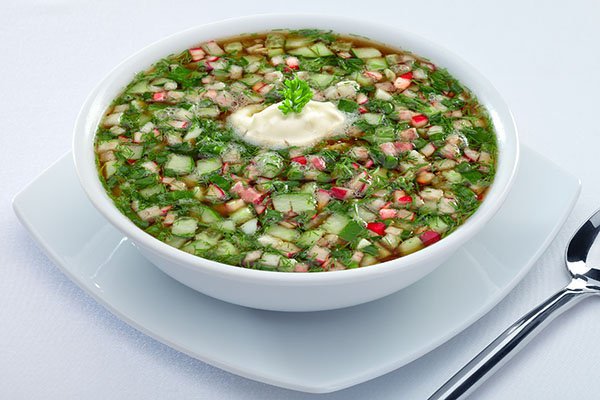
With the right approach, kvass can be replaced with beer, since the technologies for preparing these drinks are similar, and the differences are only in the strength and the addition of hops. In moderate quantities, okroshka on beer is not only tasty, but also a good anti-hangover remedy.
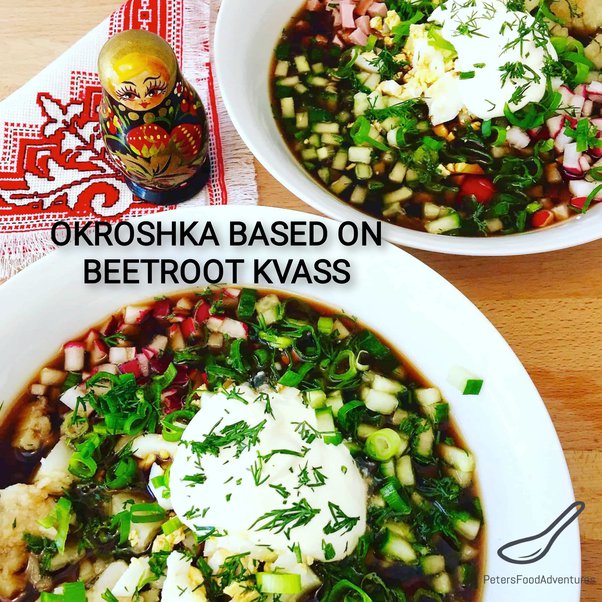
Beer selection for Okroshka. In order for the dish to resemble the classic okroshka on kvass, dark beer of minimal bitterness is required, preferably with rye malt in the composition. In Europe, a separate variety is produced – rye beer (Roggenbier or Rye beer) is the best option. Making okroshka based on light varieties (Zhigulevskoe, Pilsner, etc.) is advisable only for beer lovers, because it leaves a hop aftertaste and bitterness. Beer should be of the higher price segment, since the cheapest brands with their alcoholic tones can ruin the taste of beer okroshka. Also, the drink should be pre-cooled well.
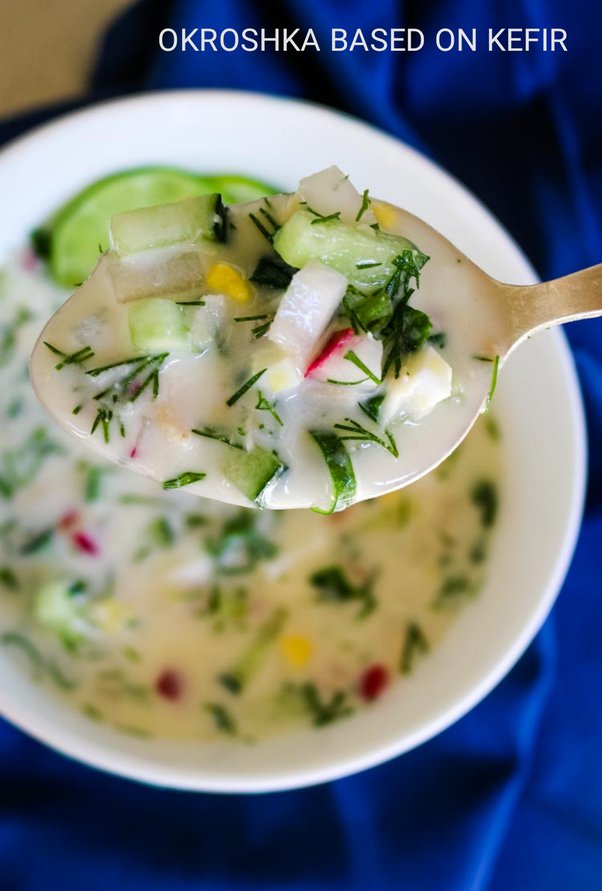
If you still are not excited by the idea of making your very own, delicious kvass, use soda water, or a dry champagne. Okroshka can be also based on beet juice, or beet beer, or beet kvass, or kefir, or sparkling water or kefir with sparkling water. It can be or vegan or vegetarian, or with meat.