I used to be a big spicy eater. I loved spicy food. Red chillies to be precise. I would sprinkle some red chilli powder on every dish without even tasting the requirement. I always believed I have a good digestive system. A bit of chilli won’t hurt. And this continued for years.

Until one day, I suffered from severe epigastric pain. I brushed it off and had a drink of warm water. The pain subsided for a while. But the next morning, it was worse. I couldn’t eat or drink anything. I threw up nearly 15 times that day. My entire abdomen was burning and I felt that somebody was drilling holes into my stomach wall. It was a very painful experience.
.
I was prescribed to heavy medications. I was supposed to be on a liquid diet for at least a week. Since I couldn’t take anything orally, I was given major nutrients via I.V.
My father suspected that I had damaged my mucosal lining from all the spicy food and now the acid created was damaging my peptic wall. It was the most severe form of gastritis I ever faced. All for the sake of satisfying my taste buds.
So what are the most harmful foods?
Anything that involves intolerable level of spice, red chillies.
A packet of biscuits with a cup of hot tea is one of the simplest pleasures life has to offer with. Also, people have this with milk or coffee in the evening just to satisfy their sugar craving.
We Indians have a variety of biscuits to have
- Sweet and salty
- Chocolate
- Chocolatey sandwich
- Multifibre
- 5Grain digestive and what not to claim itself healthy.
But have you ever checked ingredients??
Those biscuits are just covered with loads of sugars, artificial colour and hydrogenated oils.
Out of these, would pick up the unhealthiest biscuits ever like bourbon, Oreo and dark fantasy which has more than 30 grams of sugar which is more than your daily intake of sugar.
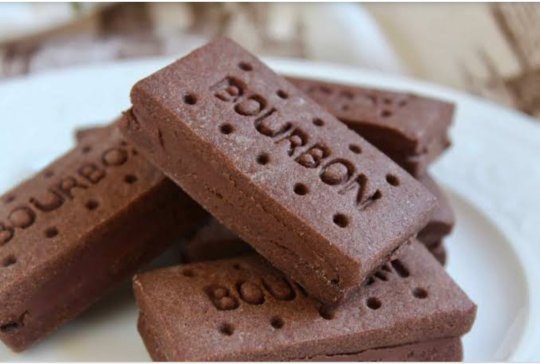
Along with this, there would be a common ingredient that’s Invert syrup.
Is invert syrup bad for you??
Then the answer is
Yes, just like all sugar, invert sugar can be bad for you. It’s an incredibly sweet, syrup-like substance that’s used in pastries, candies and more. Unfortunately, there is no established acceptable daily intake (ADI) for invert sugar—but over-consumption can lead to dental problems, diabetes, and obesity and it leads to an unhealthy lifestyle.
The only thing we earn out of this biscuit is BELLY FAT.
In detail about invert syrup
Invertor inverted sugar is made from a combination of glucose and fructose. It’s formed by splitting sucrose into these two components, which gives it a sweeter taste.
Its unique production also makes it more apt to retain moisture, which makes it great for baking. Invert sugar is also less likely to crystallize, meaning it’s perfect for food processing and prolonging the product’s shelf life.
But does invert sugar offer any health benefits? Or could it be bad for you?
Invert sugar is just that: sugar. So it comes with all of the same concerns as regular sugar, including tooth decay, diabetes, and obesity. And of course, Obesity leads to more serious health problems like hypertension and heart disease.
However, invert sugar differs from other types of sugar in that there aren’t a lot of clear guidelines regarding how much you can safely consume. There’s currently no acceptable daily intake (ADI) set for invert sugar, so it’s difficult to gauge what your exact limit should be.
Most nutritionists recommend inverting sugar be counted as part of the daily intake of refined sugar.
According to the World Health Organization, refined sugar should account for no more than 10 per cent of your daily calories, which works out to be a maximum of about 12 teaspoons. But when it comes to inverting sugar specifically, it’s better to tread lightly: the fructose within invert sugar is unbound, which means it could be slightly more detrimental to health. It’s very similar to High Fructose Corn Syrup, but it’s made from beets or cane.
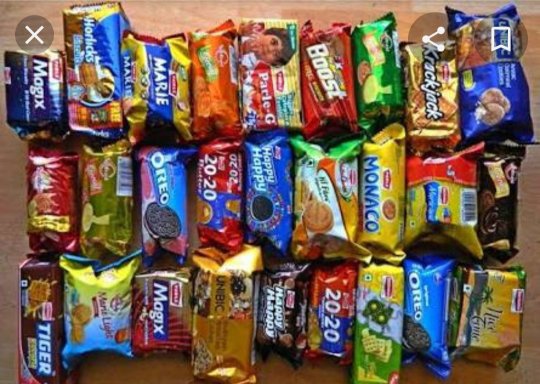
Image courtesy: Google
So how can you avoid invert sugar?
The easiest way is to steer clear of sweet, overly processed products. Invert sugar is typically found in syrup, honey, candy, chocolate, and liqueur. It’s even used in some cigarettes as a casing. If you’re not sure whether or not invert sugar is used in a product, check the label. It’s sometimes called “inverted sugar” or “invert sugar syrup.”
If you can’t avoid invert sugar, you should still strive to limit your intake And try to be healthy.