Yes.
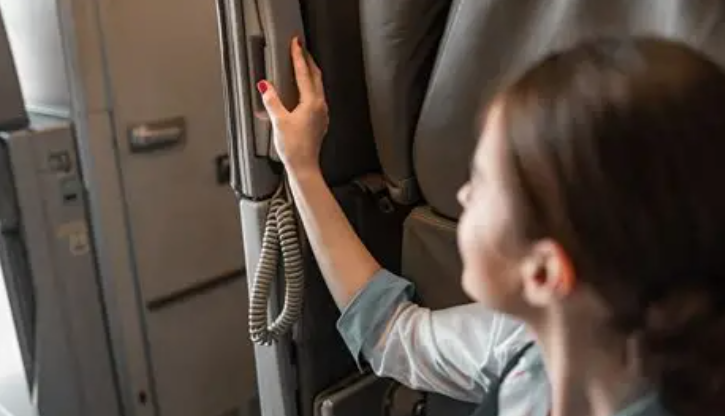
I won’t give you the current words and signals but before 9/11 if a flight attendant called the cockpit on the interphone and said she was being “Methodical” it meant that there was a potential hijacking and she had seen the weapon and that she could not talk in the clear. For example, “Would you like a beverage now? I’m being methodical.”
We had a big procedure that we were supposed to follow which included turning off some systems that would illuminate the master caution lights and some other warning lights. The flight attendant would then try to delay entry into the cockpit so we could set things up.
When the hijackers entered the cockpit we were to explain that the airplane had a serious mechanical problem and we needed to land immediately or we would crash. We even had phony checklists in the manuals that emphasized the meaning of the warning lights and the terrible consequences of disregarding them.
We were also instructed to explain that we were short of fuel and could not make their planned destination without stopping at a major airport (there was a list of airports with hijacking expertise) to refuel.
After landing with the hijackers on board, it was the pilots duty to evaluate the situation. If the hijackers were calm and reasonable and the passengers were not in immediate danger, we retracted the flaps right after landing (Like we always do). If the hijackers were unstable and threatening and we perceived them as likely to kill or had already killed a person, then we would select the flaps to full down while we taxied to the pad. The lowered flaps covertly told the authorities that armed intervention was requested by the crew.
The idea was to disrupt the plans of the hijacker and make him more likely to give up and maybe not make us all go to Cuba or kill passengers if they wanted money or political goals met.
In those days we were trained to follow the instructions of the hijackers and then try to create problems that are unanticipated by the hijackers to disrupt their plans. I guess it was relevant training for the anticipated threats. I don’t know if it really worked though.
Methodical was an acronym that was a little checklist but I don’t remember what the letters meant. We always had to recite it in yearly training and then promptly forgot.
There were other words and signals back then but it’s all been rethought and redesigned in the post 9/11 world. Sometimes I get tired of the big focus on security but I know it’s important.
So to answer your questions there are covert words and signals between the cockpit and the cabin to communicate.
- The Captain may hold a private meeting in the cockpit (or elsewhere) to brief the Purser on the situation. The airline I work for has a very specific Standard Operating Procedure regarding such briefings between Captains and Pursers;
- The Captain may brief the Purser via the aircraft interphone, which, while also private, is not as desirable, since important secondary cues like body language, facial expressions, hand gestures, and tone of voice are not easily interpreted over the phone;
- The airline where I work (as well as my previous airline employer) both had code word(s) that pilots and cabin crew were trained to use and understand in certain safety-critical situations. This code word(s) could be stated face-to-face; over the aircraft interphone; or even (if the situation demanded it) over the Public Address system in the aircraft. An entire body of processes and procedures associated with the use such code words and the expected actions to follow are spelled out in the Company Operating Manual, with which all pilots and cabin crew are required to be familiar.
Having said all that, should you ever find yourself witnessing what you interpret as a “serious conversation” between a Captain and his Purser, inside the cockpit or outside, perhaps using terms with which you’re not familiar, or which don’t seem to quite make sense, please don’t rush to judgment or presume that there’s a potential safety issue at hand: it’s considerably more likely that the Captain has simply changed his mind and now prefers tea with his in-flight meal, rather than Coke!